

How to Cut PVC Pipe
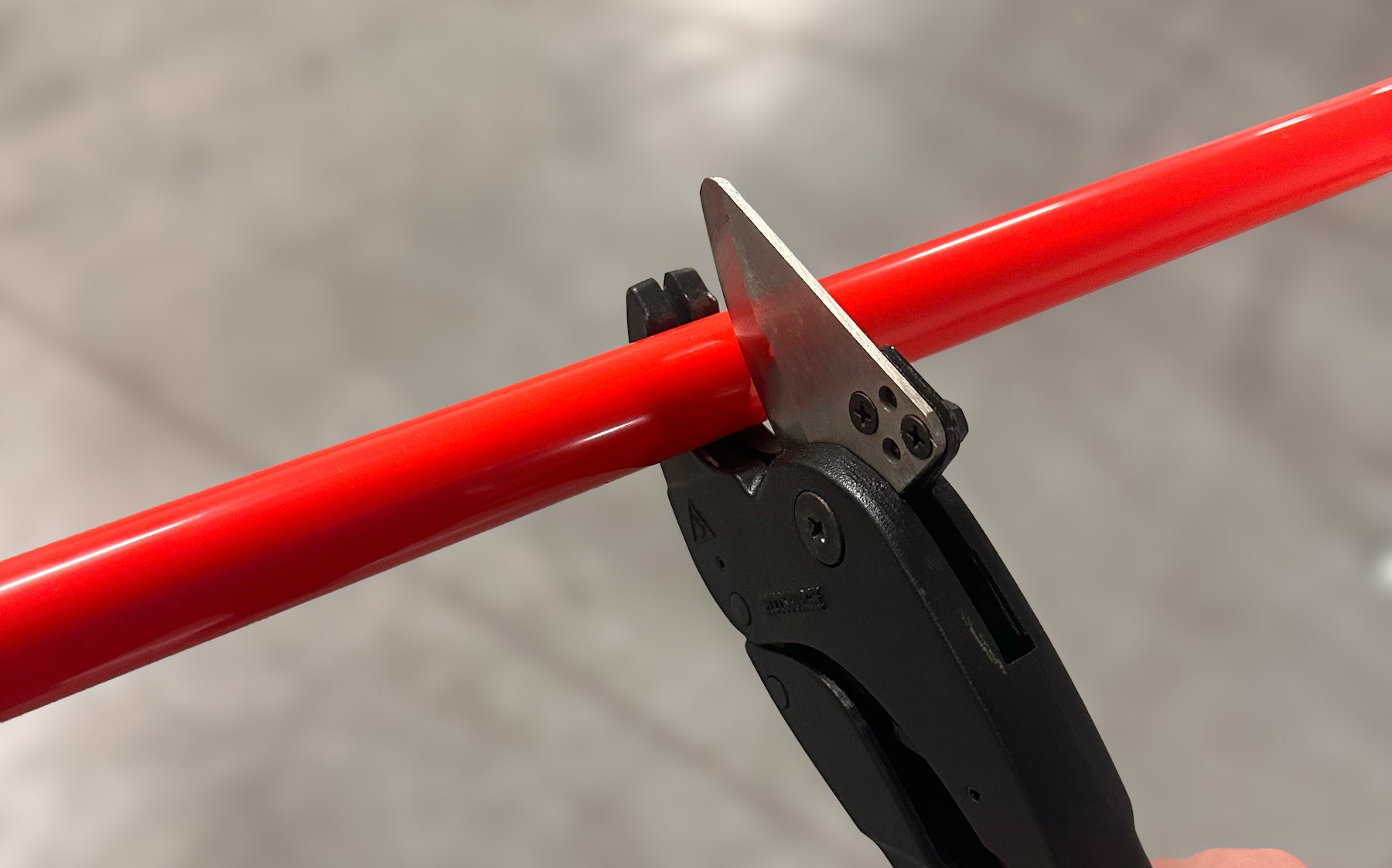
What Is the Best Way to Cut PVC Pipe?
The best way to cut PVC pipe depends on how many cuts you need and what size pipe you are cutting. A hacksaw with a miter box works for any size and a small number of cuts. A scissor-style tubing cutter is quick for 1/2" and 3/4" pipe. A ratcheting cutter handles larger pipe with less effort, and a power miter saw is the fastest choice when you have many identical cuts to make.
PVC is one of the easiest structural materials to cut. Unlike wood or metal, it leaves no splinters or metal filaments, only small plastic shavings that clean up easily. This guide covers safety, the four best cutting methods, how to deburr the cut ends, which tools to avoid, and how to fix common cutting problems.
Which Cutting Method Should You Use?
Use this table to match the tool to your project. If you are cutting only a few pieces, the hacksaw you already own is a great place to start. If you are building something large, a miter saw or ratcheting cutter will save real time.
| Method | Best For | Pipe Sizes | Cost | Speed | Cut Quality |
|---|---|---|---|---|---|
| Hacksaw or backsaw | A few cuts, first-time builders | All sizes | Low (most people already own one) | Slow | Good with a miter box; needs deburring |
| Scissor-style tubing cutter | Quick cuts on small pipe | 1/2" and 3/4" only | Low | Moderate | Clean, but can spiral if gripped too hard |
| Ratcheting PVC cutter | Larger pipe with less effort | Up to 2" on some models (check your cutter's rating) | Moderate | Fast | Clean, square cuts |
| Power miter saw | Large quantities and repeat cuts | All sizes within the saw's capacity | Highest | Fastest | Accurate and square, angled cuts possible; edge is always rough and needs deburring |
Need a lot of pipe cut to length? FORMUFIT Direct offers bulk quantities and custom-cut options, so your pipe can arrive ready to build.
Safety First
Every method for cutting PVC pipe uses a blade, and any blade can cause serious injury if used carelessly. Read and follow the safety instructions for every hand tool or power tool you use.

Protect Your Hands
Always know where your hands are relative to the blade. When using a saw, clamp the pipe instead of holding it by hand.

Protect Your Eyes
Wear safety glasses or goggles. Small pipe fragments can be ejected from the cut area.

Protect Your Lungs
Wear a mask or respirator. Cutting PVC creates small particles that can irritate your lungs and throat. For more information, see our Safety Data Sheets.
How to Cut PVC Pipe with a Hacksaw or Backsaw
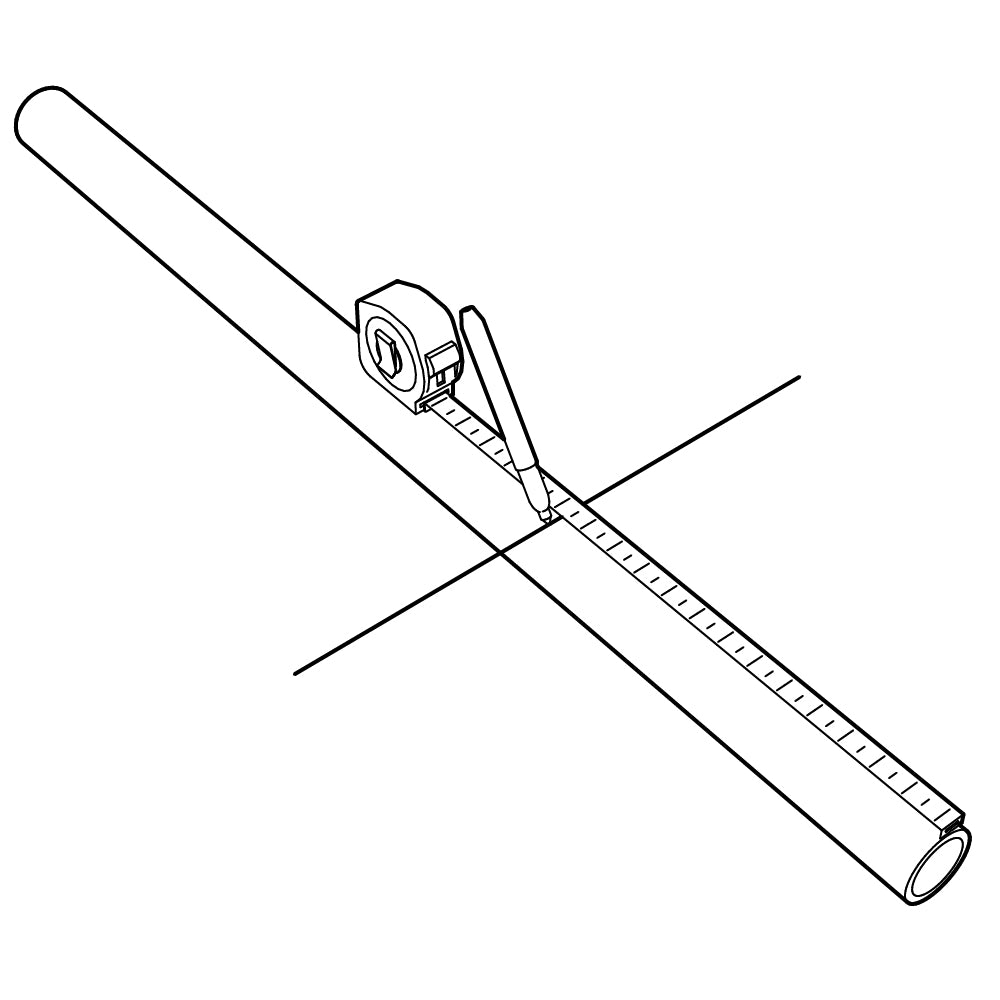
Measure & Mark the Cut
Use a tape measure to find the exact cut point, then make a clear, visible mark with a pencil.
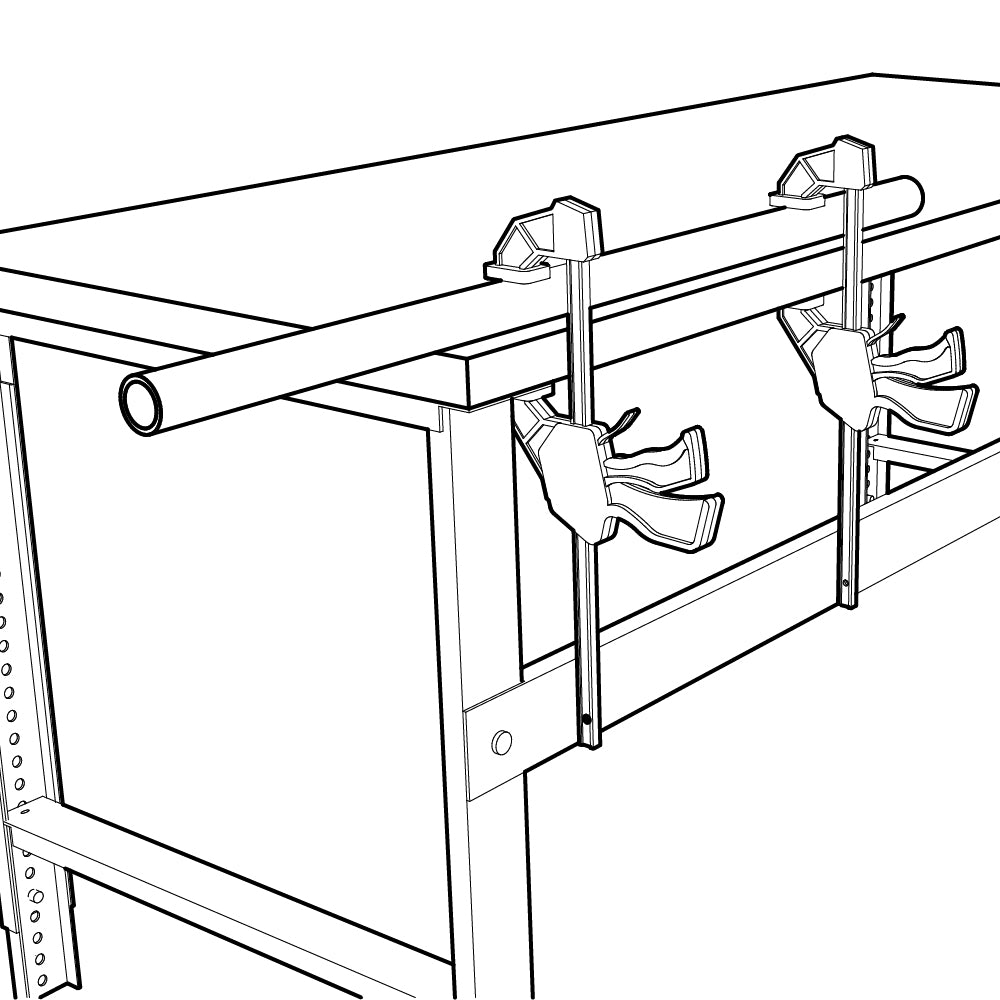
Clamp the PVC Pipe
Secure the pipe to a solid surface such as a table. If you are using a miter box, fasten the box to the table first. A vise, C-clamps, or quick-release clamps all work.
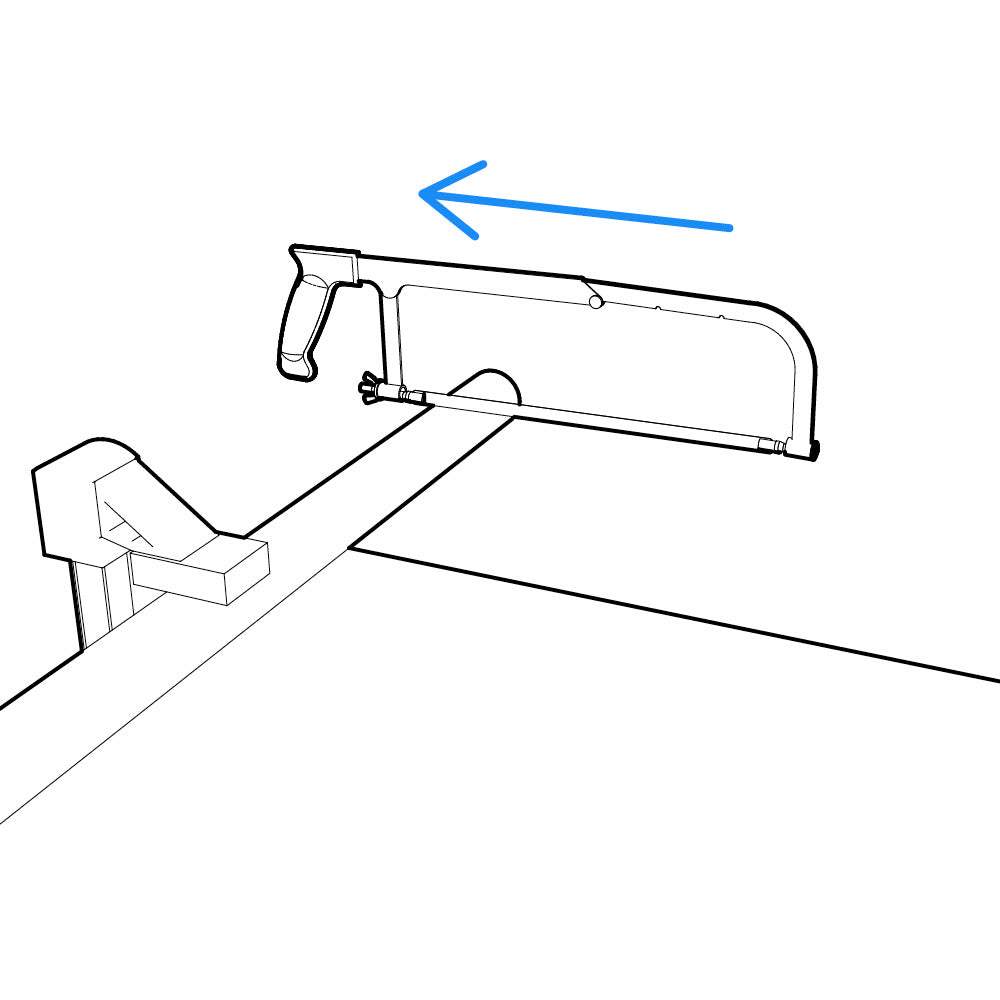
Notch the Cut
Place the rear of the blade on your mark and draw it backward to create a small notch. Repeat until the notch is well defined. This groove guides the saw and keeps the cut on line.
Start Cutting
Saw slowly with a back-and-forth motion, keeping the cut straight as the blade goes deeper. Once the cut is established, you can speed up, but let the saw do the work instead of forcing it.
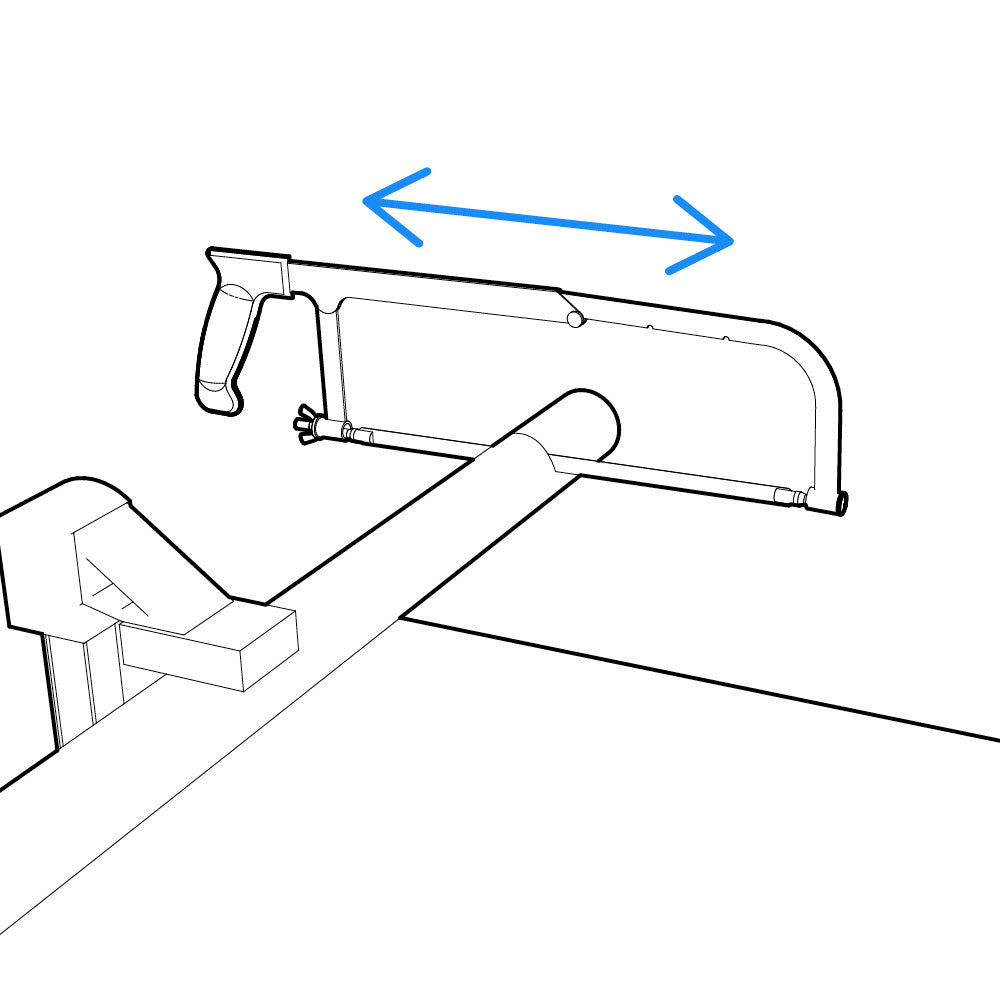
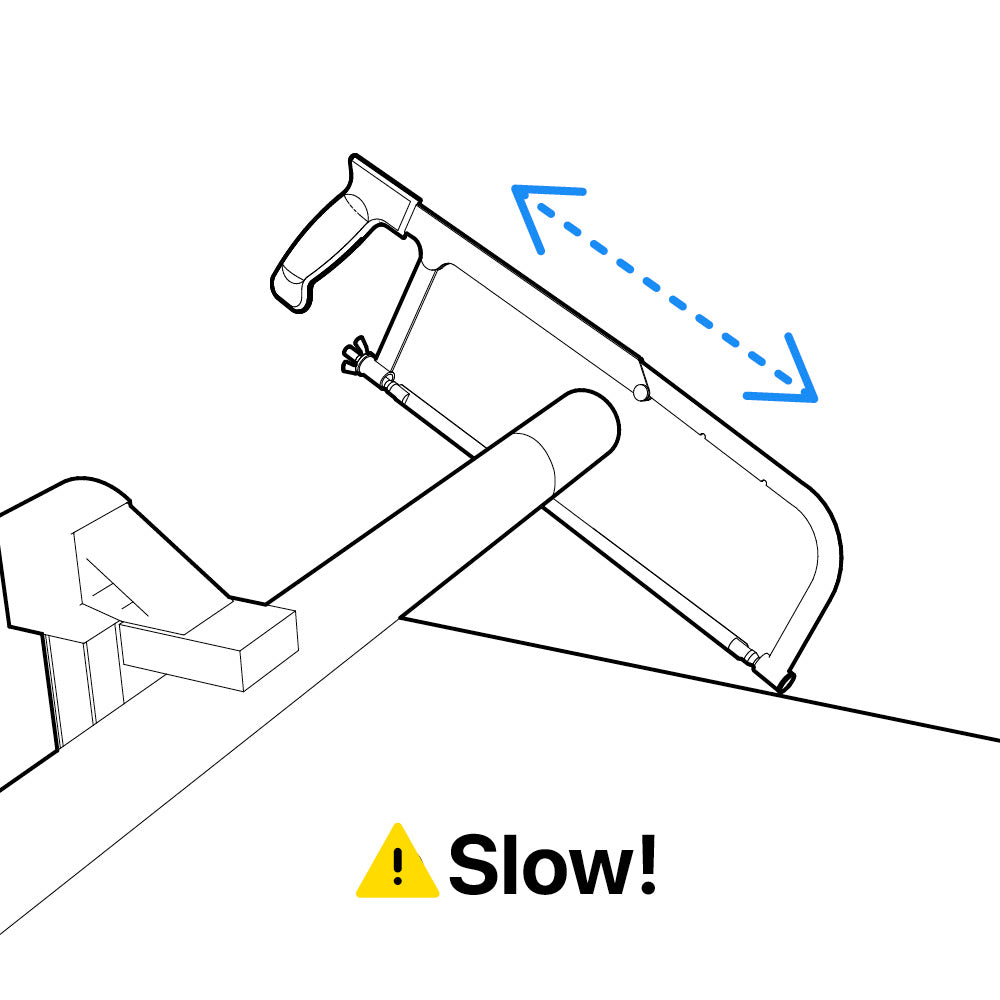
Slow Down to Finish
As the blade reaches the bottom of the pipe, use light, slow strokes to complete the cut. This prevents the pipe edge from chipping or blowing out.
How to Cut PVC Pipe with a Scissor-Style Tubing Cutter
Measure & Mark the Cut
Measure with a tape measure and mark the cut point clearly with a pencil.
Place the Blade on the Mark
Hold the pipe with the mark facing up, set the pipe inside the cutter, and line the blade up with your mark.
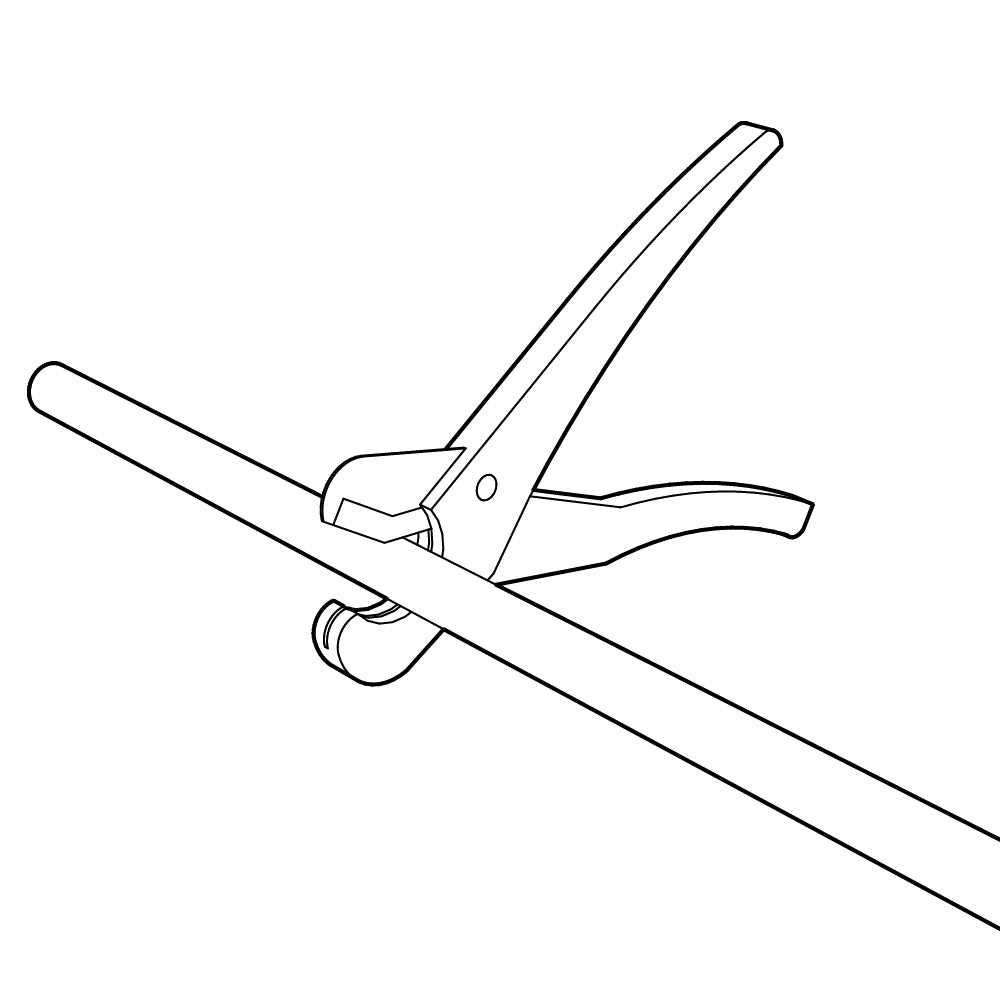
Rotate the Pipe
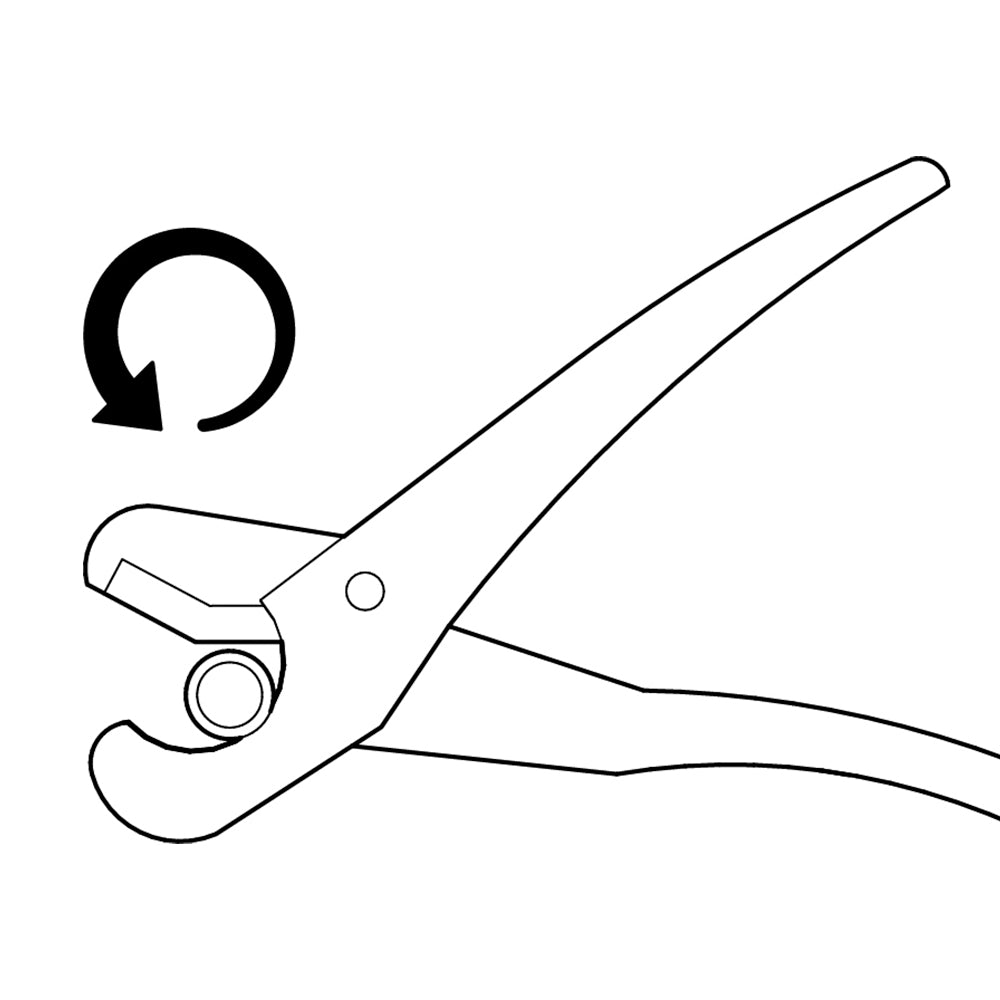
Squeeze the handles with steady pressure and slowly rotate the cutter around the pipe, keeping it straight. If the cutter starts to spiral to the left or right, stop and restart the cut. Gripping too hard is the usual cause.
Continue Cutting
After one full pass around the pipe, apply a little more pressure and keep rotating until the pipe separates.
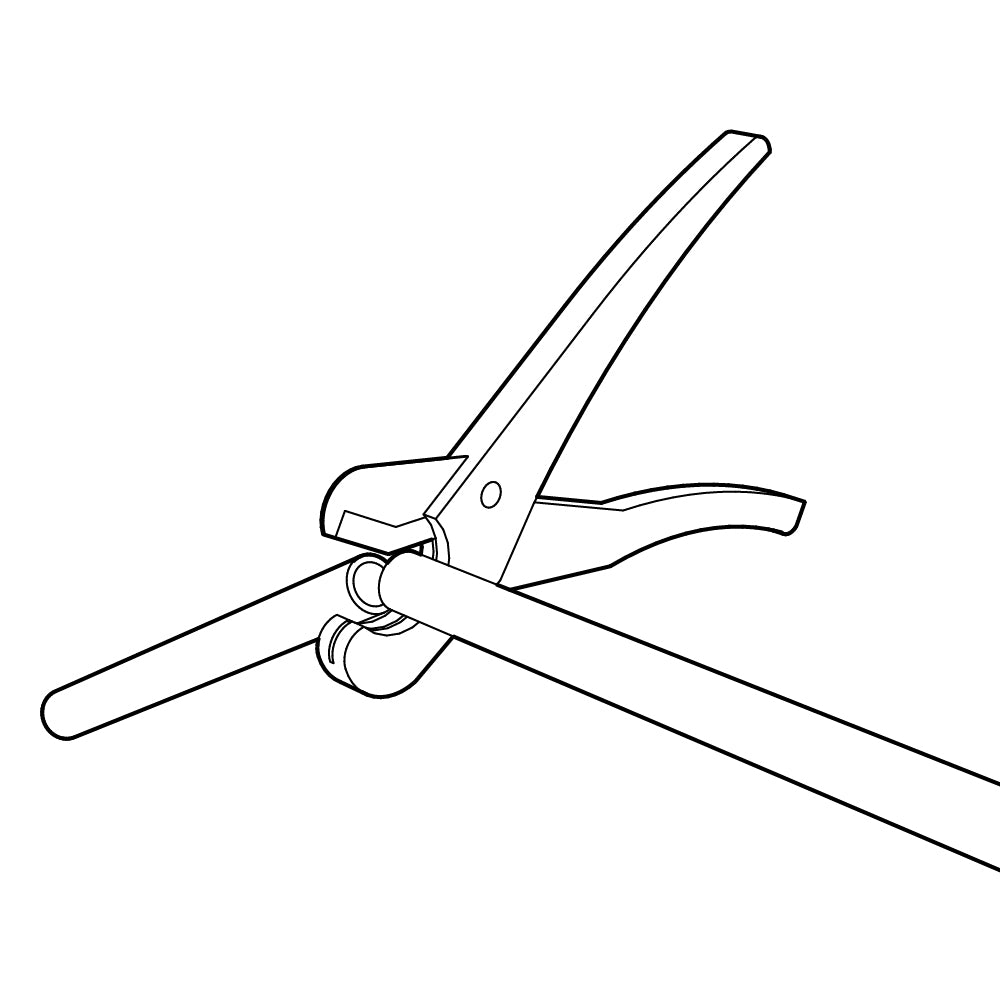
How to Cut PVC Pipe with a Ratcheting Pipe Cutter
Measure & Mark the Cut
Measure with a tape measure and mark the cut point clearly with a pencil.
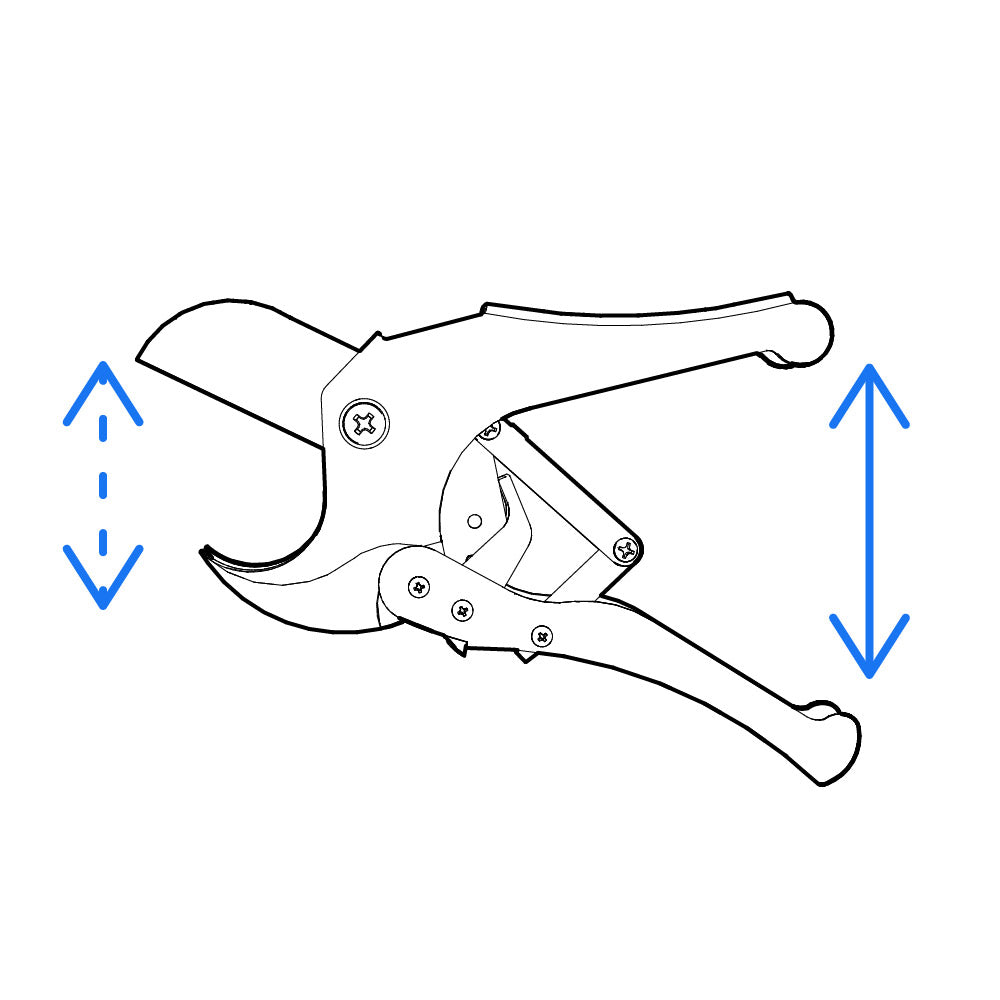
Open the Cutter
Opening the handles all the way lifts the blade, leaving room to fit the pipe between the blade and the lower jaw.
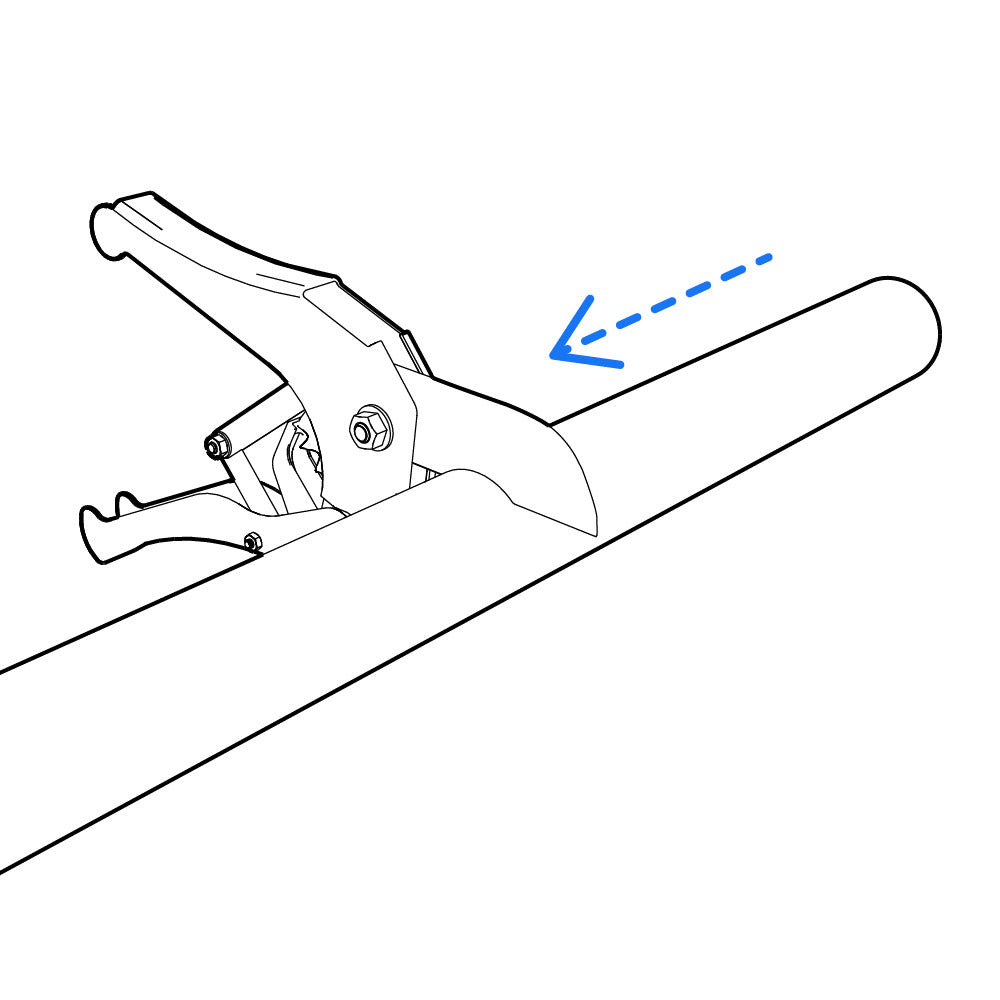
Place the Pipe in the Cutter
Hold the pipe with the mark facing up and slide it between the blade and the lower jaw. Set the blade on your mark and squeeze the handles until they meet.
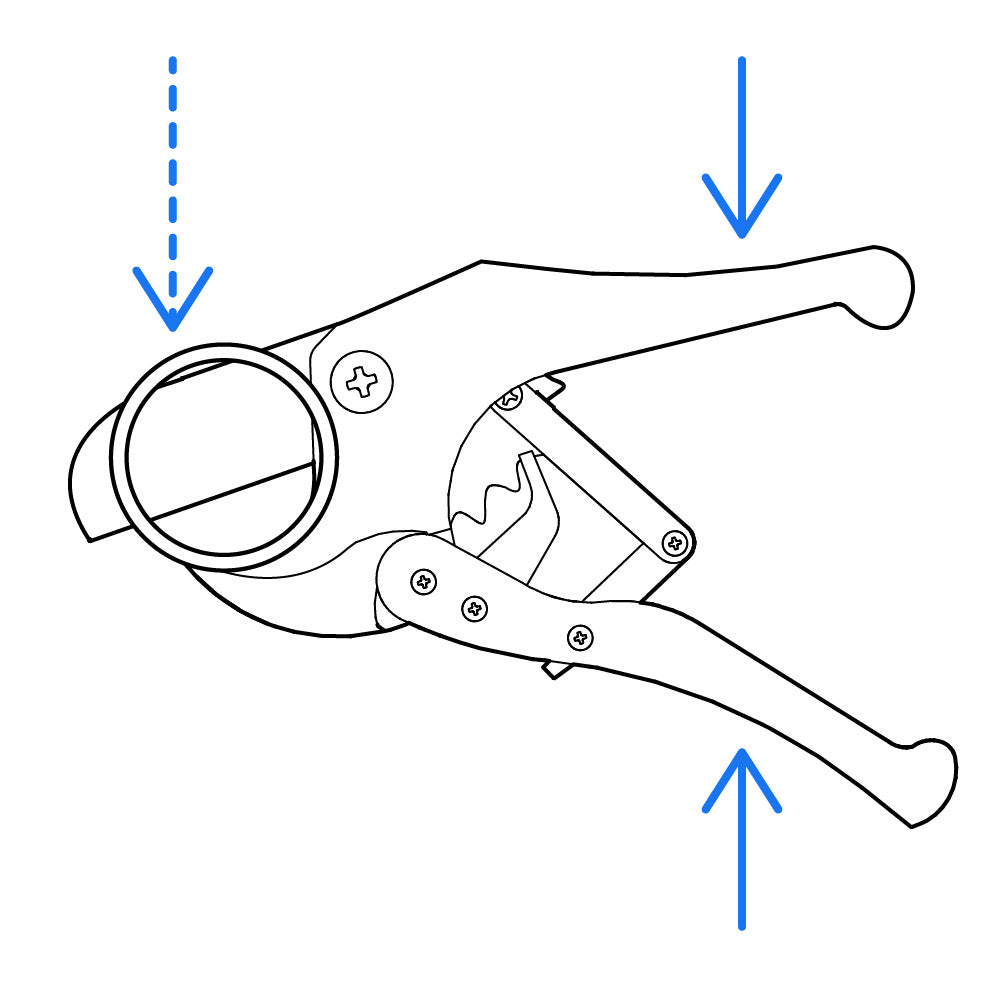
Ratchet Through the Pipe
Squeeze until the blade meets the mark, release, and repeat. Keep ratcheting until the blade passes through and the pipe separates into two pieces.
How to Cut PVC Pipe with a Power Miter Saw
Measure & Mark the Cut
Measure with a tape measure and mark the cut point clearly with a pencil.
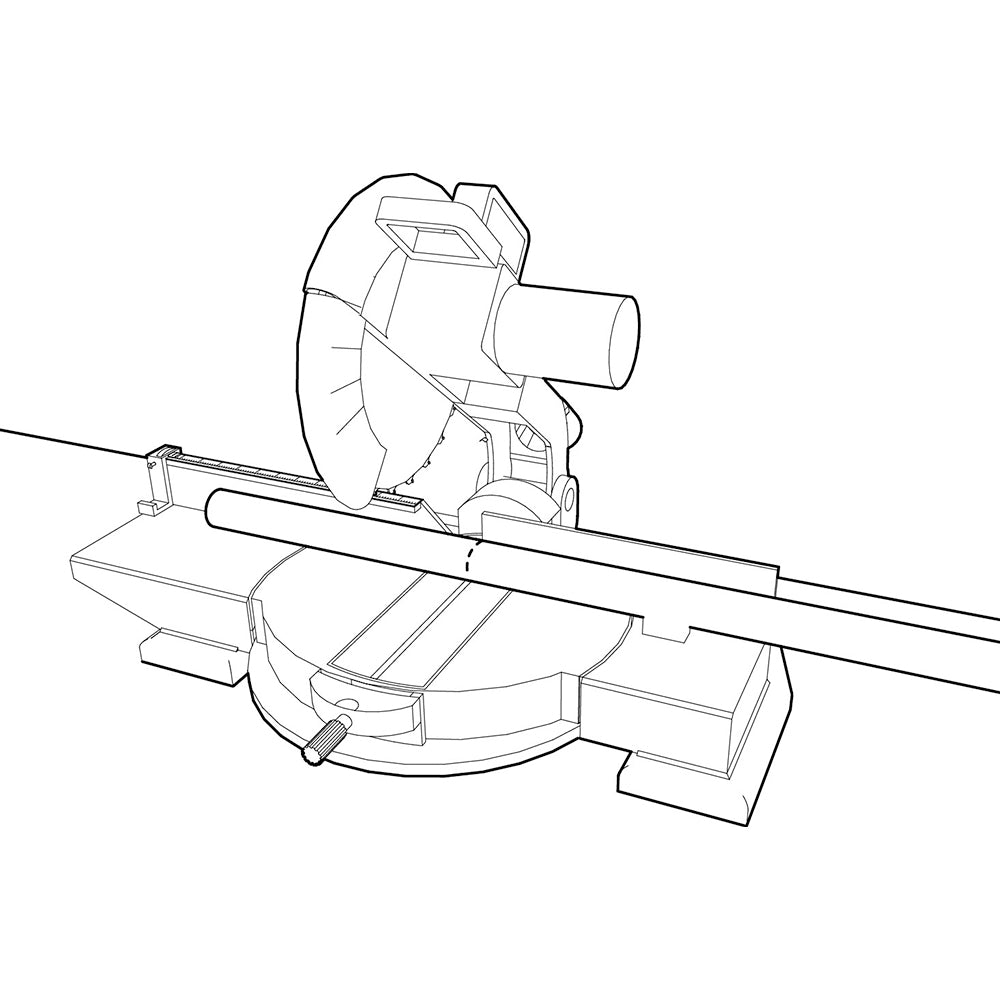
Position the Pipe
Line the cut mark up exactly with the corresponding mark on the saw's throat plate.
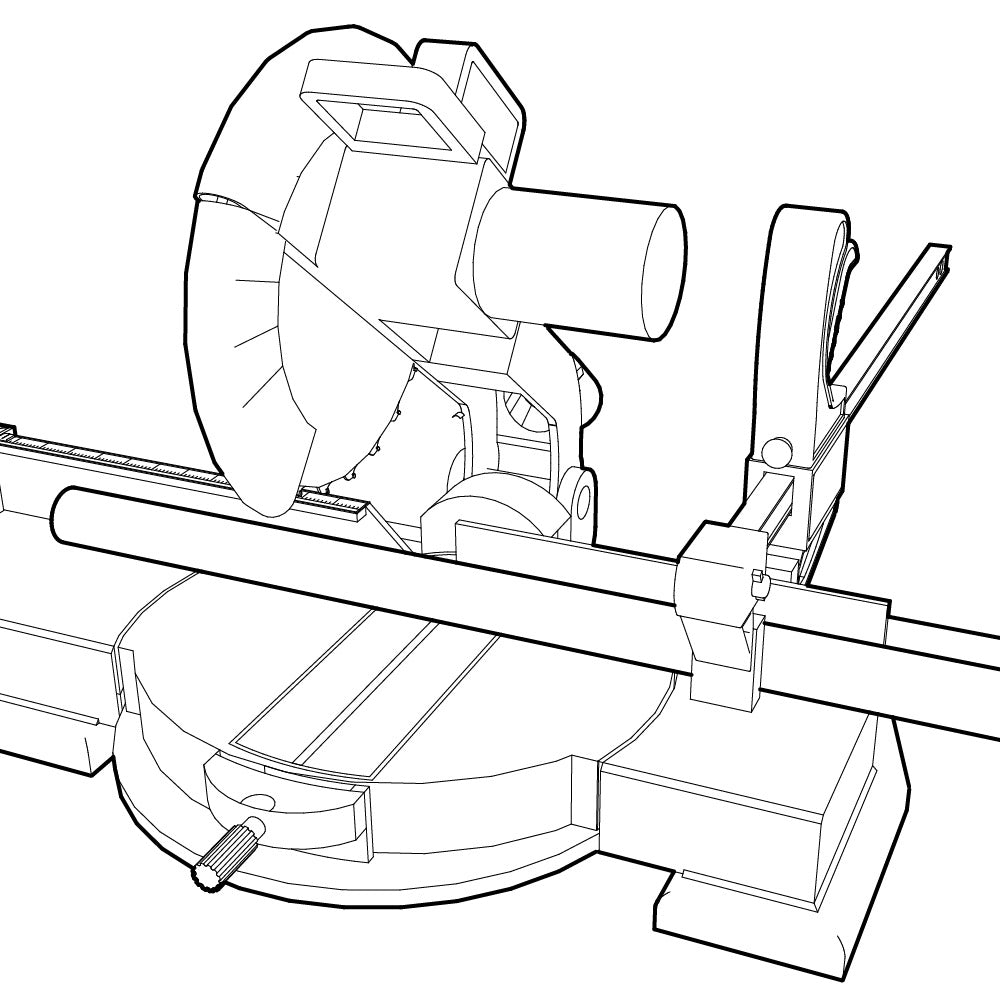
Secure the Pipe
Clamp the pipe to the saw table against the fence. Never hold it with your hands. A clamp with a curved face grips round pipe more securely.
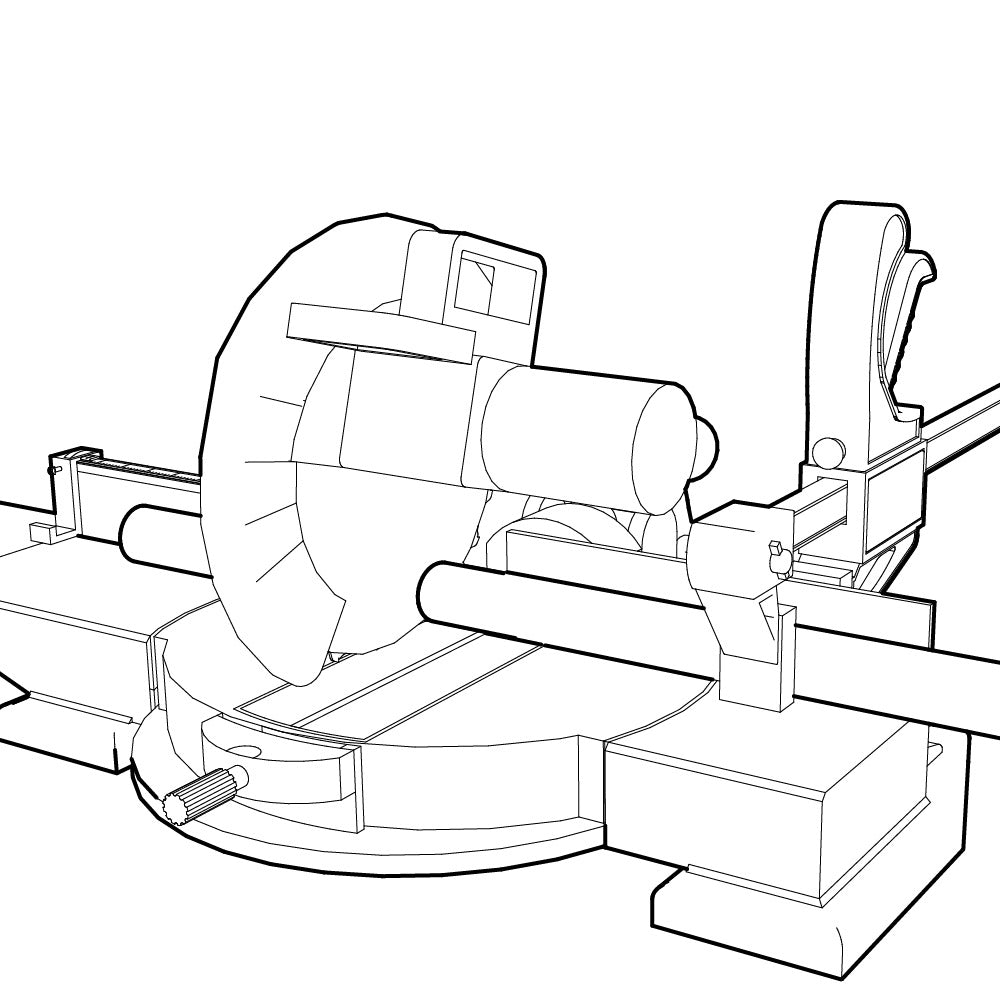
Make the Cut
Pull the trigger and lower the saw arm slowly through the pipe, then release the trigger. Let the blade stop spinning completely before you lift the arm and remove the pieces.
Cutting PVC Pipe to the Right Length
A few habits will make your cuts more accurate and your project fit together the first time.
Plan for the Fittings
Pipe seats into the socket of each fitting, so the finished length of a frame is not the same as the length of the pipe you cut. Check the socket depth of your fittings and subtract it from your overall dimensions before you mark. Our PVC Pipe Size Dimensions Chart is a helpful reference.
Confirm Your Pipe Size First
Cutting cannot be undone. If you are not sure what size you have, use our PVC Pipe Size Guide before you cut.
Mark a Straight Line Around the Pipe
Wrap a strip of paper or masking tape around the pipe with its edges lined up, then mark along the edge. This gives you a guide for a square cut.
Use a Miter Box for Square Hand Cuts
A miter box holds the saw at the right angle and helps you cut straight. It also supports 45° cuts.
Cut Duplicate Pieces the Same Way
If your project needs several pieces of the same length, mark one, cut it, and use it as the template for the rest.
Cut Slowly in Cold Weather
PVC is more brittle when it is cold, so use light pressure and slower strokes to avoid cracking.
How to Deburr PVC Pipe
Cutting with any saw can leave small plastic fragments, called burrs, along the inside and outside edge of the cut. Burrs can scratch other parts, make a mess, and keep pipe from seating fully in a fitting. Removing them takes only a minute. Choose any of these three methods.
Use a Deburring Tool
- Insert the deburring tool into the end of the pipe.
- Turn the tool several times inside the pipe.
- Remove the tool and check the edge. The burrs should be gone.
Use a Blunt Tool or Knife
- Insert a butter knife or other blunt tool into the end of the pipe.
- Carefully run the blade along the inside edge of the pipe to knock off the burrs.
- Check the edge and repeat if needed.
Use Sandpaper
- Wrap sandpaper around a dowel or other cylindrical object.
- Insert the wrapped dowel into the end of the pipe.
- Run the sandpaper along the inside edge to knock the burrs loose.
Tip: Lightly sand the outside edge of the cut as well. A smooth edge gives your finished furniture-grade project a cleaner look. When you are done, wipe away the shavings. To remove marks or polish the pipe, see our guide to cleaning PVC pipe.
PVC Cutting Methods to Avoid
Choosing the right tool is just as important as using it correctly. Avoid these methods when cutting PVC pipe.
Do Not Move the Pipe into a Spinning Blade
The curved surface of the pipe makes it hard to hold securely. The blade can catch the pipe at an unexpected point and cause it to bounce or jump, which can injure you. Always clamp the pipe and bring the blade to the pipe.
Do Not Use Table Saws or Band Saws
These tools can grab the pipe and kick it back toward you. PVC is also brittle enough to shatter, which makes this method especially dangerous.
Do Not Use Hand Saws Made for Wood
Wood handsaws have large teeth designed for cutting wood, and they tend to chip or crack PVC. Use a hacksaw or backsaw with fine teeth instead. A power miter saw with a wood blade is fine when the pipe is clamped and you follow the steps in this guide.
Troubleshooting Common PVC Cutting Problems
| Problem | Likely Cause | Fix |
|---|---|---|
| The cut is not square | Freehand sawing or an unclear guide line | Use a miter box, wrap a paper strip to mark a straight line, and start with a notch. |
| The cutter spirals off the mark | Gripping too hard on a scissor-style cutter | Stop, ease your grip, and restart the cut on a fresh line. |
| The pipe chips or cracks at the edge | Rushing the last part of the cut, a coarse wood handsaw, or cold pipe | Slow down at the bottom of the cut, use a hacksaw or backsaw with fine teeth for hand cuts, and let cold pipe warm up first. |
| The edge looks fuzzy or melted | Too much speed or pressure creating friction heat | Use lighter pressure and let the blade do the work. |
| The pipe does not seat fully in the fitting | Burrs on the cut end | Deburr the inside and outside edge, then test the fit again. |
| The finished frame is the wrong size | Fitting socket depth was not accounted for | Subtract socket depth from your overall dimension before marking the pipe. |
Frequently Asked Questions About Cutting PVC Pipe
It depends on your project. A hacksaw with a miter box is the best all-around choice for a few cuts on any size. A ratcheting cutter is best for faster, cleaner cuts on larger pipe, and a power miter saw is best for large quantities.
A hacksaw or backsaw with fine teeth works well. Wood handsaws with large teeth are more likely to chip or crack PVC, so they are not recommended.
No. A standard blade will cut PVC. The edge will always be rough regardless of the number of teeth on the blade, so plan to deburr the cut end. Always clamp the pipe and follow your saw's safety instructions.
Mark a straight line around the pipe, use a miter box or a miter saw, and start the cut with a small notch. For hand cuts, keep your strokes long and steady and slow down as you reach the bottom of the pipe.
Yes, it is a good habit, especially after using a saw. Removing burrs helps the pipe seat fully in a fitting and leaves a smoother, safer edge.
We do not recommend them. They make it difficult to hold and support round pipe securely, which increases the risk of the pipe moving or the blade binding. Choose a hacksaw, a pipe cutter, or a clamped miter saw instead.
Cutting PVC creates small particles that can irritate your lungs and throat, so wear a mask or respirator and cut in a well-ventilated area. See our Safety Data Sheets for more detail.
A PVC pipe cutter is the easiest option. A scissor-style cutter works on 1/2" and 3/4" pipe, and a ratcheting cutter can handle larger sizes.
Have More Questions About Cutting PVC Pipe?
If we did not answer your question here, our support team is glad to help. Reach out through our Contact Us page, or browse all of our PVC how-to guides.
Disclaimer
The information in this guide is provided for general informational purposes only. FORMUFIT LC assumes no responsibility and disclaims all liability for any damage, loss, or injury arising from the use of, or reliance on, this information, including but not limited to loss of profits, business interruption, loss of opportunity, indirect, incidental, special, or consequential damages, personal injury, or loss of life.