

The Importance of UV Resistance in PVC
UV resistance is crucial to maintaining the structural integrity and color of PVC when it's exposed to sunlight over extended periods. Without it, PVC pipe and fittings can yellow, weaken, and eventually crack, especially in outdoor projects built to last for years. Understanding how UV radiation affects PVC, and how to protect against it, is essential to building durable, long-lasting structures.
Understanding UV Radiation
Polyvinyl Chloride (PVC) pipe and fittings are used in structural projects of all kinds, many of them outdoors. One factor determines how well these projects hold up over time: resistance to ultraviolet (UV) radiation. This article covers why UV resistance matters for PVC, and how sunlight affects its performance and lifespan.
UV radiation comes from the sun and is divided into three types by wavelength: UVA, UVB, and UVC. Earth's atmosphere absorbs most UVC, but UVA and UVB reach the surface and can damage materials, including plastics. Over time, this radiation breaks down the chemical bonds in PVC's polymer structure, causing it to degrade.
Effects of UV Radiation on PVC
Left unprotected, PVC exposed to prolonged sunlight breaks down in several distinct ways, from surface-level discoloration to structural failure. Here's what happens when UV radiation goes unchecked.
Discoloration
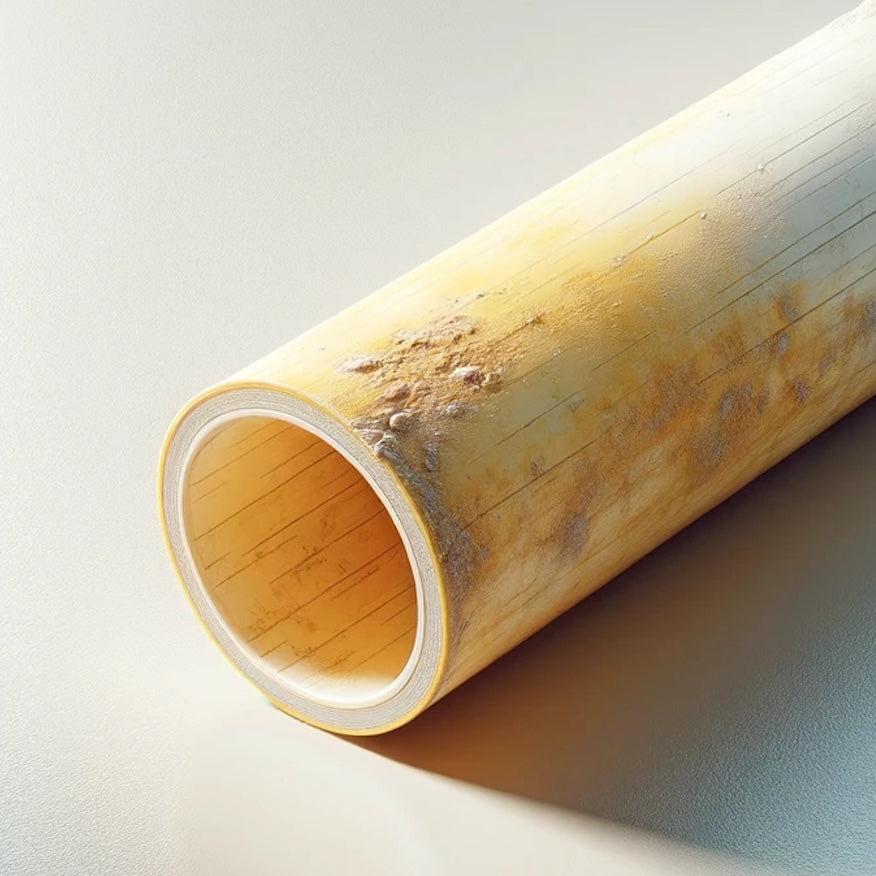
UV exposure causes PVC to yellow, fade or discolor over time. This aesthetic change can be undesirable, especially for visible applications like outdoor furniture, agility courses and sports goals.
Brittleness and Cracking
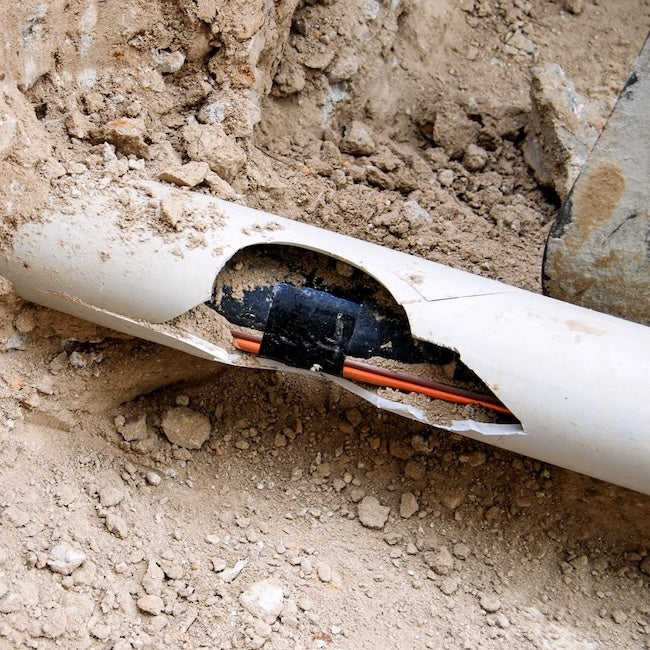
Prolonged exposure to UV rays can cause PVC to become brittle and develop cracks. This compromises the structural integrity of PVC and can lead to failure in applications requiring durability. Additionally, pipe breakage can expose sharp pieces of plastic during use, which can cause serious injury.
Loss of Mechanical Properties
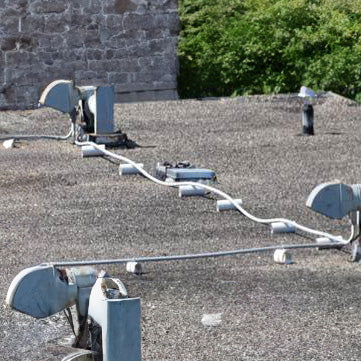
UV degradation can lead to a reduction in the mechanical properties of PVC, such as tensile strength and impact resistance. The loss of these attributes makes the material less capable of withstanding physical stresses and structures will break down and collapse.
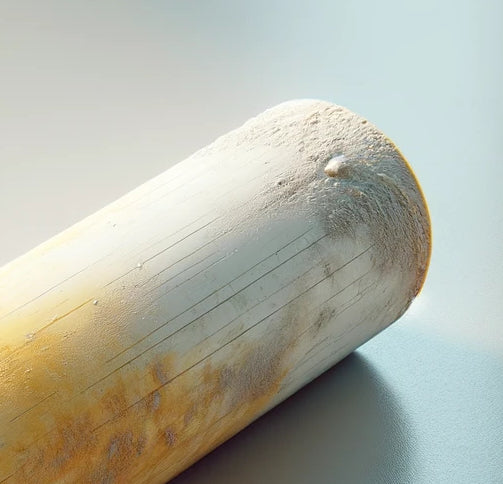
Surface Degradation
UV radiation breaks down the outer layer of PVC, making the surface chalky and rough. This surface degradation can affect pipe and fitting performance and appearance.
UV Resistance: A Must-Have
Given the potential damage UV radiation can cause, UV resistance is a crucial property for PVC, especially in outdoor applications. Here are the reasons why all of FORMUFIT's products are UV-resistant:
Extended PVC Pipe Lifespan
UV-resistant PVC has a longer lifespan because it can withstand prolonged exposure to sunlight without significant degradation. This added UV resistance makes PVC suitable for outdoor applications like PVC projects, agility courses, or patio furniture.
Maintained Aesthetic Appeal
UV resistance helps PVC maintain its color and appearance over time. UV resistance is particularly important for products where aesthetics play a significant role, such as outdoor furniture and architectural elements.
Preserved Mechanical Properties
UV-resistant PVC retains its mechanical properties, ensuring it remains strong and durable. These attributes are vital for structural applications where material failure can have serious consequences.
Long Term Cost-Effectiveness
Although UV-resistant PVC might have a higher initial cost, it is more cost-effective in the long run. Reduced maintenance, fewer replacements, and lengthy service life (typically 50+ years) contribute to overall savings.
Enhancing UV Resistance in PVC
FORMUFIT enhances the UV resistance of all of our PVC products through two methods:
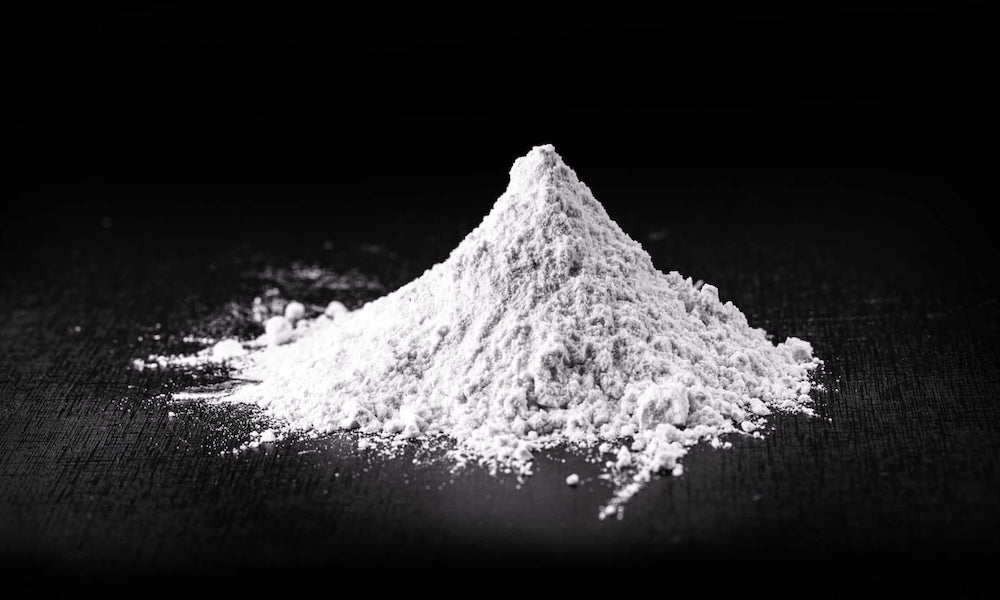
Additives
We add UV stabilizers and absorbers to the PVC formulation to protect it from UV radiation. These additives, typically Titanium Dioxide (TiO2), are a food-grade formula that absorbs or reflects UV rays, preventing them from breaking down the polymer chains. Because these additives are food-grade, they're free of the heavy metals and toxic stabilizers found in some lower-cost UV additives, making FORMUFIT PVC a safer choice for projects like planters, aquariums, and furniture where contact with people, pets, or plants is a factor.
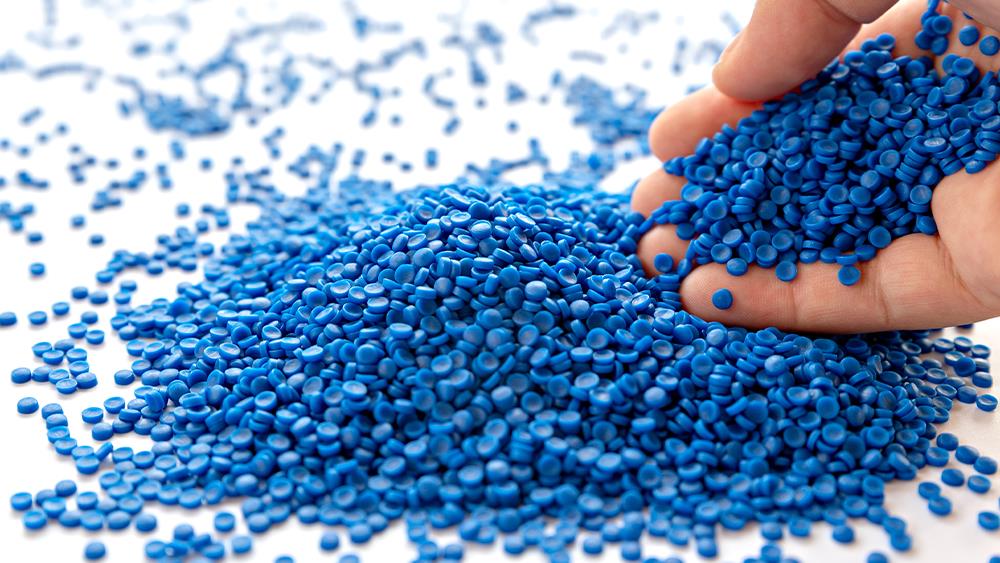
Material Blends
For our more complex colors, we combine PVC with other materials that offer better natural UV resistance, improving overall durability without changing how the final product looks or performs. These blends are engineered to retain the advantageous properties of both materials, the strength and workability of PVC alongside the added UV protection of the blended material. This approach lets FORMUFIT offer bold, richly pigmented colors that hold up outdoors just as well as our standard white UV-resistant PVC, without fading or breaking down faster due to their deeper color absorbing more UV energy.
UV Resistance, Mission Critical.
UV resistance is a critical factor in the performance and longevity of PVC, particularly for outdoor applications. By understanding the detrimental effects of UV radiation and implementing measures to enhance UV resistance, you can build PVC projects that are durable, professional looking and cost-effective. Investing in UV-resistant PVC products ensures that these versatile plastics continue to meet the demands of various applications, providing reliable and long-lasting solutions.
UV Resistance FAQ
Yes. Standard PVC exposed to prolonged UV radiation will yellow, fade, or discolor over time. UV-resistant PVC, like FORMUFIT's, is formulated to resist this discoloration.
UV-resistant PVC typically has a service life of 50 or more years outdoors, thanks to reduced degradation, fewer replacements, and lower long-term maintenance.
Prolonged UV exposure breaks down the chemical bonds in PVC's polymer structure, causing it to become brittle and crack over time. This can compromise structural integrity and expose sharp broken edges.
FORMUFIT enhances UV resistance in two ways: adding UV stabilizers and absorbers like Titanium Dioxide (TiO2) to the PVC formulation, and blending PVC with other UV-resistant materials for more complex colors.
UV-resistant PVC may have a higher upfront cost, but it's more cost-effective over time due to reduced maintenance, fewer replacements, and a significantly longer service life.
Build With Confidence
Every FORMUFIT PVC product is engineered with UV resistance built in, so your project stays strong and looking good for years to come. Shop pipe, fittings, and accessories built to last outdoors.